We had only been in the city for a few hours, but we were already accustomed to the rising tide of decibels. It was not a symphony, but a chaos: incomprehensible sounds, the roar of engines, the clamor of horns, the whistle of the train, and megaphones announcing discounts. This was Beijing, the capital of a country that for centuries was the most populated in the world.
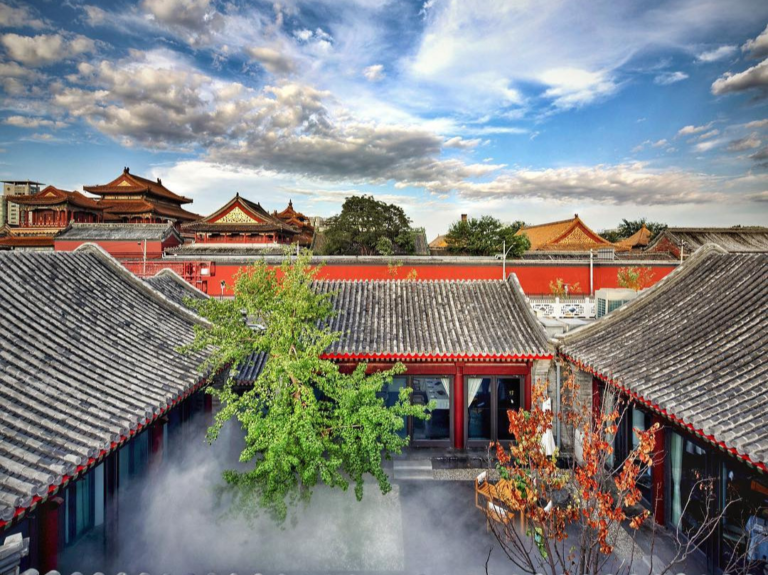
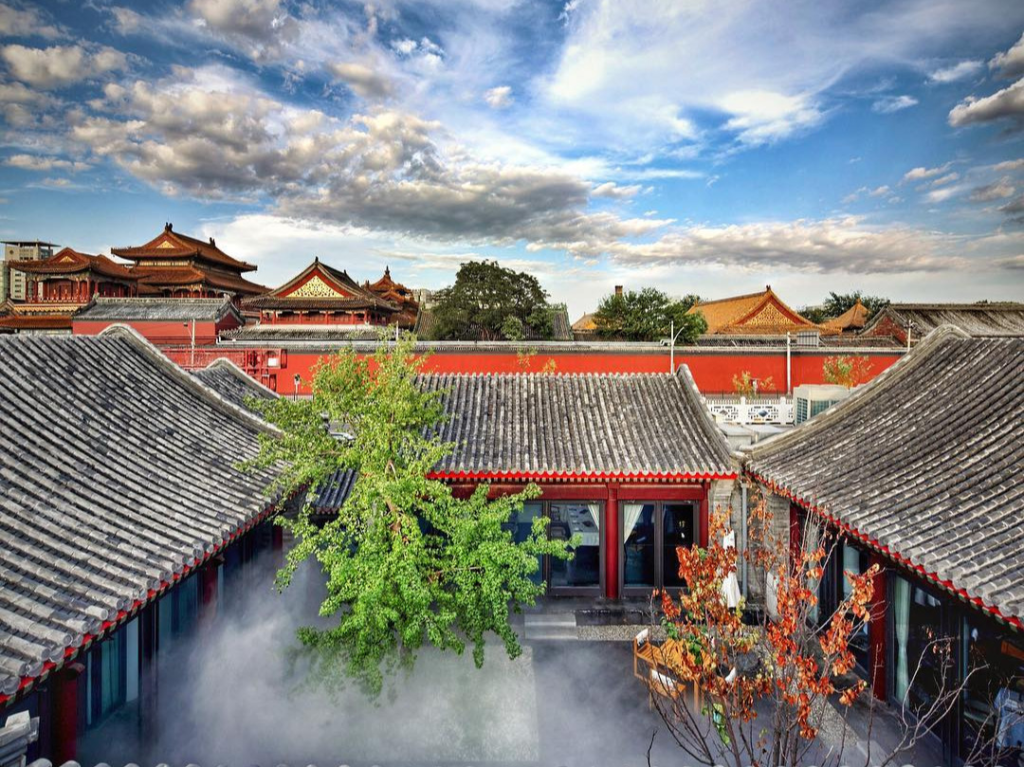
With an identity marked by contrasts, where history and modernity coexist, the political and cultural heart of China is characterized by dwelling between traditional hutongs and avant-garde skyscrapers, majestic palaces and ceremonial temples, silent carriages and electric vehicles, noisy markets and quiet tea houses. Less than a hundred meters from a Buddhist temple, stood this other temple.
As we bordered the grey wall that separated it from the urban bustle, I couldn't stop thinking about the Forbidden City or recalling images from films set in the imperial courts of ancient China. Guided by long galleries with stone gardens and paper lanterns, we felt our steps were leading us into a scene from Crouching Tiger, Hidden Dragon or a location from Curse of the Golden Flower.
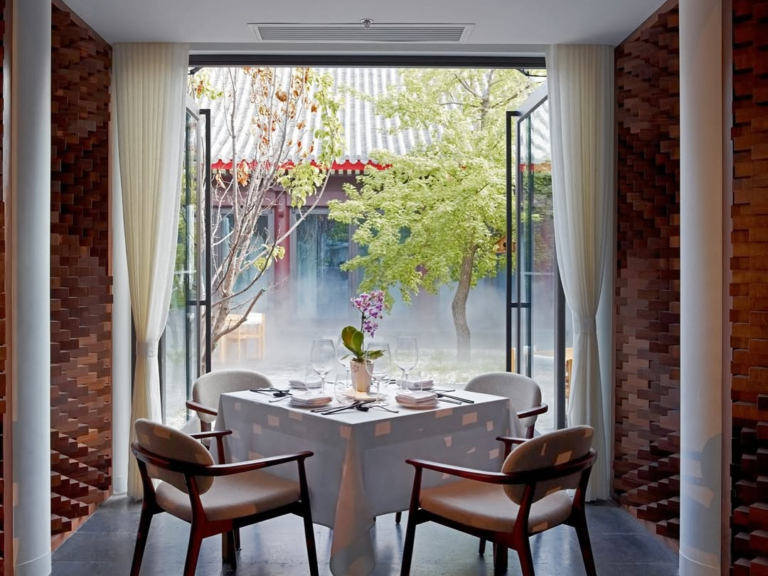
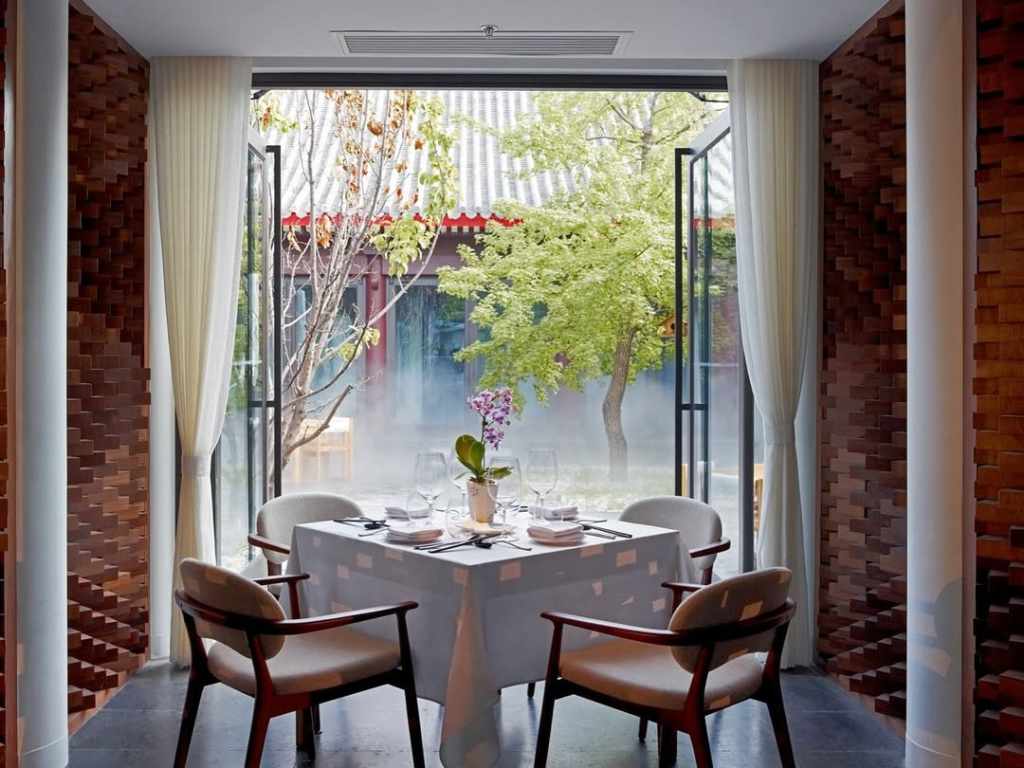
Our entrance was solemn, an aesthetic and silent ritual. The outside world receded as we ventured into the domains of King’s Joy, a vegetarian haute cuisine restaurant recognized for its commitment to sustainability. The hall was soberly decorated: classic design, elegance, and calm. Each diner at their table performed their own ceremony. It was not just about food; it was a philosophical quest and a conscious enjoyment. The fine dining menu responded to this intention, not to a trend
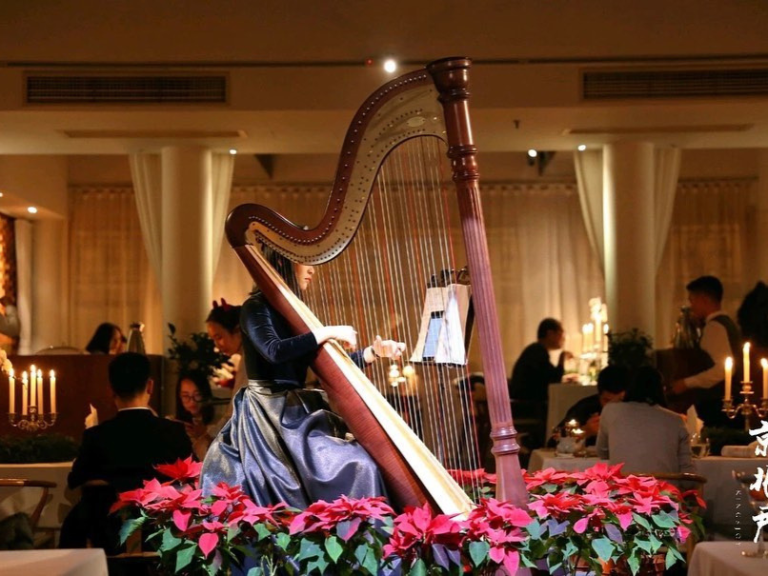
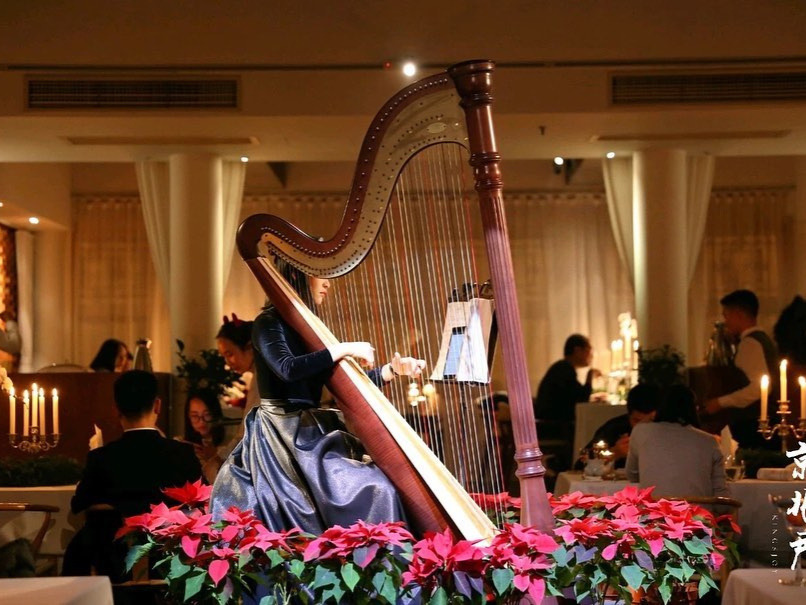
The ceremonial silence that enveloped the place was interrupted by something unusual. A sound that came from the center of the hall. There, seated with an admirable serenity, a woman played the harp. Her hands moved across the strings with the same precision with which the cooks carved the vegetables in the kitchen. She did not move, nor did she interact with the diners or the service. Silently, she was the music.
The sound was constant, ancient, and meditative. Those long notes, which could announce a battle, sometimes melancholy or highly precise like those that accompany a moment of betrayal; this time, they marked the meditative rhythm of the food ritual. Every ingredient was sound or pause. For the first time, the act of eating was transformed into an act of listening.